• Facility Information
  • Exhibitions & Events
  • About FUJIFILM SQUARE
JP / EN
[Image]Ken Domon: Faces of Showa through the Lens of a Demon

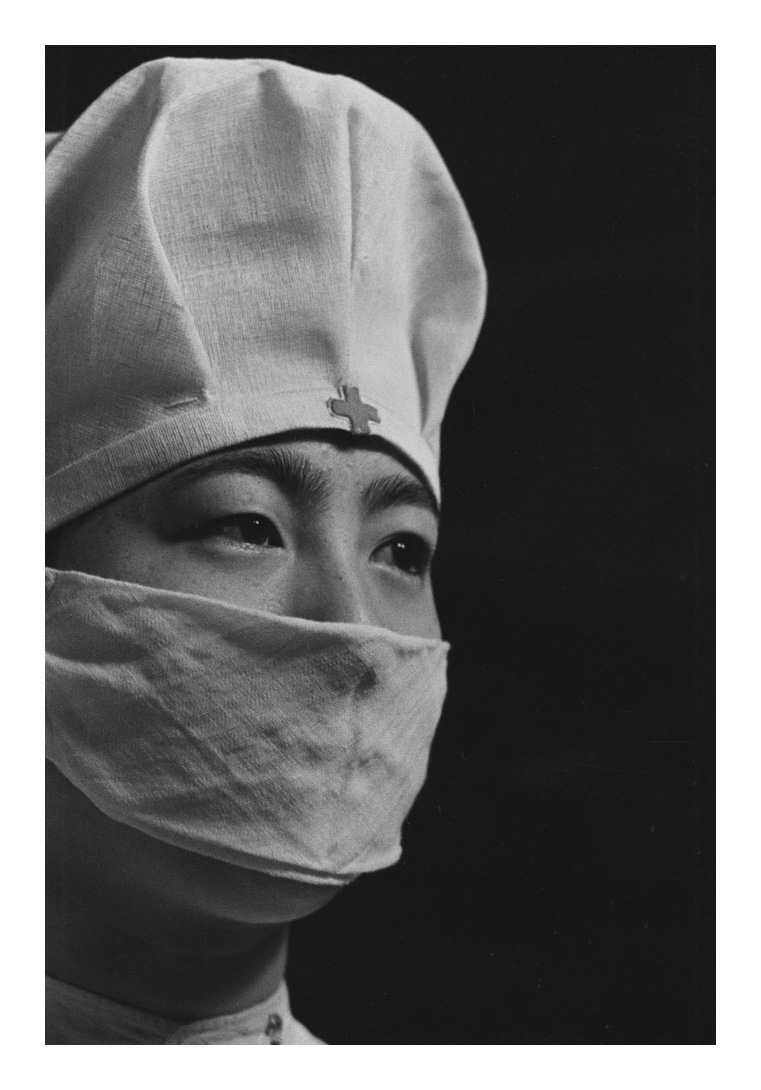
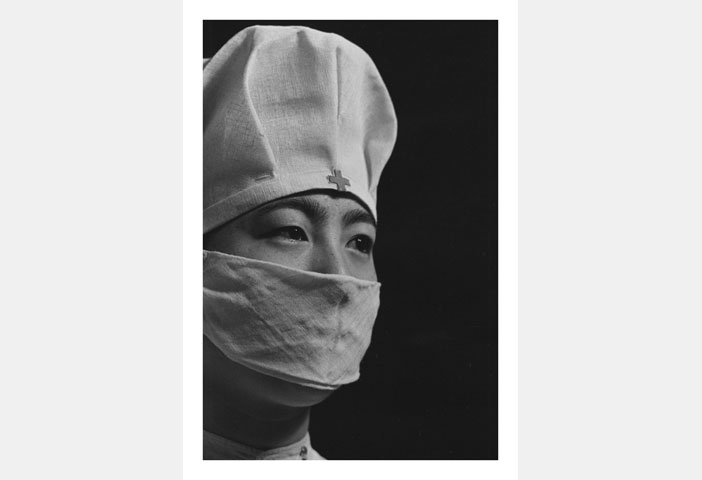
Ken Domon, Young nurse at Azabu (1938)
from Sekijūji kangofu (Red Cross Society nurses)
Collection of the Ken Domon Museum of Photography

Ken Domon: Faces of Showa through the Lens of a Demon

FUJIFILM SQUARE Photo History Museum Photo Exhibition

January 4 – March 31, 2027 (The exhibition closes at 16:00 on the final day)

PHOTO HISTORY MUSEUM

SHARE

Highlights

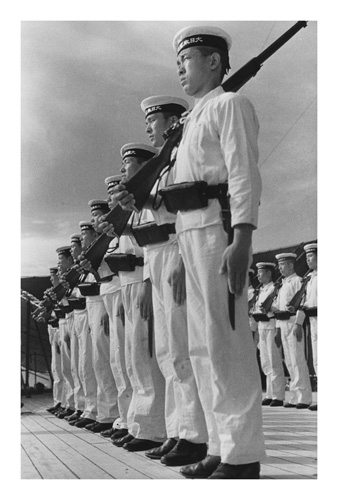
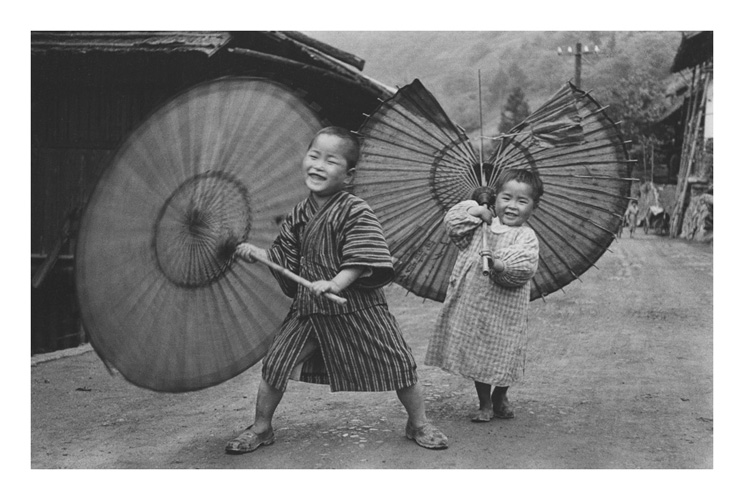
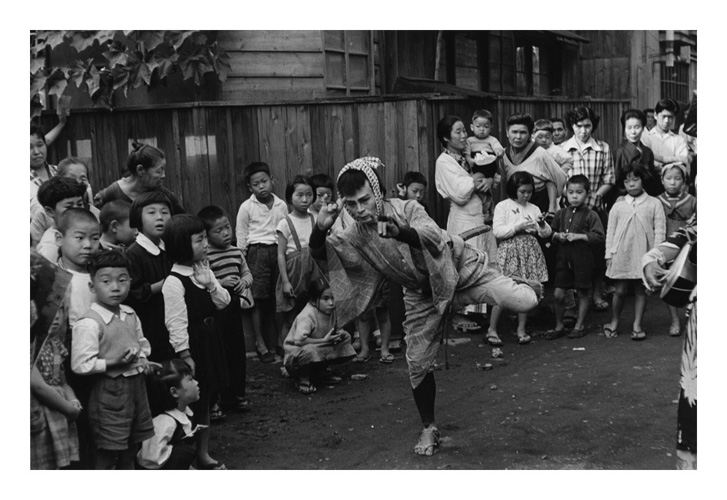
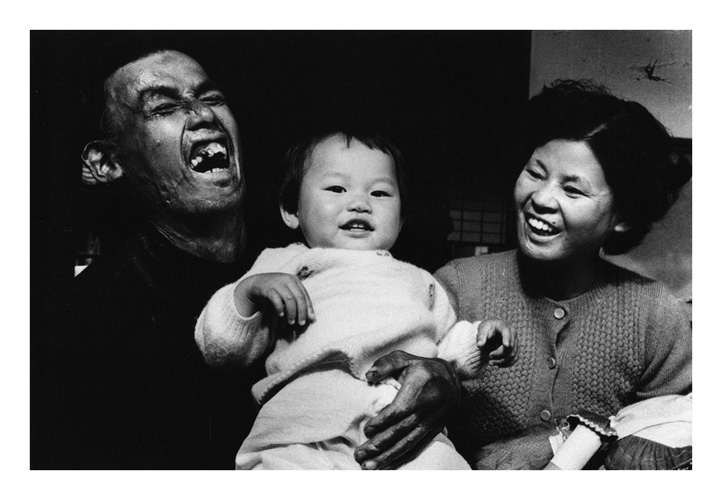
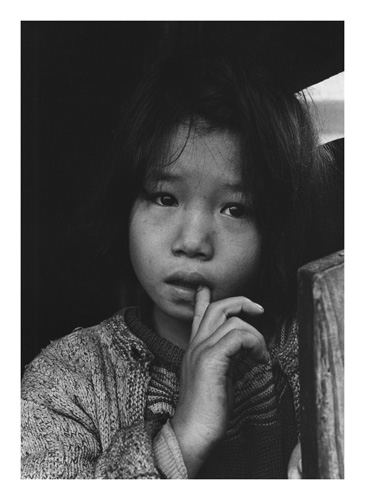
  • This exhibition displays about twenty-seven portraits carefully selected based on a fresh perspective. The focus is on the quarter century from 1935, when Domon made his debut as a press photographer at age twenty-six, to 1959 when he turned fifty.
  • Ken Domon, the demon photographer, captured numerous portraits over a quarter century during the Showa period. His photographs reveal a consistent and unflinching perspective and the gaze of the human being we know as Ken Domon.

About the exhibition

The FUJIFILM SQUARE Photo History Museum is pleased to present Ken Domon: Faces of Showa through the Lens of a Demon, a special exhibition of works by photographer Ken Domon, a leading photographer in the Showa period (1926–1989).

Ken Domon (1909–1990) was a prominent photographer during the war years and in the postwar era. In 1935, he joined the Nippon Kōbō studio, led by Yonosuke Natori, where he learnt the techniques of press photography. Domon established himself as a press photographer during the war years. Whereas he participated in state propaganda, he also created many masterpieces as a freelance photographer after the war ended. These include the portraits subsequently collected in the photobook Fūbō (Portraits, 1953) and the photographs of ancient temples and Buddha statues, a project that would become his lifework in later years.
In the 1950s, Domon expressed regret for his complicity with state propaganda. He advocated strongly for the social role of the photographer as someone who looks squarely at the reality of postwar Japanese society and depicts the subject as it is at that moment. To put his ideas into practice, he started taking snapshots, many of which were published. This was the time when he headed up the realism movement in Japanese photography together with Ihei Kimura. He also encouraged amateur photographers with powerful comments on “the direct connection between camera and subject” and “absolute snapshots absolutely unposed.” His guidance, delivered with exceptional charisma and enthusiasm, inspired many photographers, including Kikuji Kawada, Shomei Tomatsu, and Masahisa Fukase and had a profound influence on the future of Japanese photography.

This exhibition displays about twenty-seven posed and candid photographs carefully selected based on a fresh perspective. The focus is on the quarter century from 1935, when Domon made his debut as a press photographer at age twenty-six, to 1959 when he turned fifty. People photography is an eloquent reflection of its time. Regardless of whether his subjects were famous or not, Domon's approach to people was one of keen realism. His photographs of people range from works that appeared in photo magazines and propaganda papers published in Japan and abroad during the war years, to the masterpieces of the 1950s and 60s, when he published Fūbō (Portraits, 1953), Kōtō no kodomo (Children of Kōtō, 1955), Hiroshima (1958), and Chikuhō no kodomotachi (Children of Chikuhō, 1960). Captured with defiant enthusiasm and visual purity, Domon's photographs of people reflect society at the time, yet, they continue to fascinate us even today.

Ken Domon, the demon photographer, captured numerous posed and candid photographs over a quarter century during the Showa period. The photographs reveal a consistent and unflinching perspective and the gaze of the human being we know as Ken Domon.

Profile

Ken Domon   (1909–1990)

Ken Domon was born in Sakata City, Yamagata Prefecture, but the family relocated to Tokyo in 1916. In 1935, he joined the Nippon Kōbō studio where he learnt the techniques of press photography. He left the studio in 1939. When World War II ended, Domon became a freelance photographer. He headed up the realism movement in Japanese photography and served as judge for a monthly photo contest. He used highly portable compact cameras and published many candid snapshots of postwar Japanese society. After a stroke in 1959, he switched to large-format cameras and started work on the Koji junrei (A Pilgrimage to Ancient Temples). After a second stroke in 1968, he was confined to a wheelchair, but he still persevered with photography. Ken Domon suffered a cerebral thrombosis in 1979 and spent the remaining eleven years of his life in a coma until his death at age 80 in 1990. In 1983, the Ken Domon Museum of Photography, the first photography art museum in Japan, opened in his hometown of Sakata City. The majority of his photographs were donated to the museum, which continues to actively champion the work of Ken Domon.

Footnote: In 2025, the Japanese name of the museum was changed from Domon Ken kinenkan (the Ken Domon Memorial Museum) to Domon Ken shashin bijutsukan (the Ken Domon Museum of Photography).

Exhibition overview

Title FUJIFILM SQUARE Photo History Museum Photo Exhibition
Ken Domon: Faces of Showa through the Lens of a Demon
Dates January 4 (Mon) – March 31 (Wed), 2027
Time 10:00 – 19:00 (The exhibition closes at 16:00 on the final day. Last admission is ten minutes before closing.)
Open every day
Venue The Photo History Museum at FUJIFILM SQUARE (Tokyo Midtown West)
Admission Free

* This exhibition is being held as a corporate MECENAT activity. We are pleased to announce that admission is free to enable more people to attend.

Photographer Ken Domon
Works on display (planned) Approximately 27 works
  • Works shot on film.
  • Works on view are gelatin silver prints from the collection of the Ken Domon Museum of Photography.
Organized by FUJIFILM Corporation
In special cooperation with the Ken Domon Museum of Photography
Supported by Minato City Board of Education
Planned by Photo Classic

* Please note that circumstances may force us to suspend or modify the exhibition or the events. Thank you for your understanding.
* We kindly request that you do not send congratulatory flowers.

PHOTO HISTORY MUSEUM

~ History of Photography — more than 190 years ~

Not many museums focus on the historical evolution of the photographic arts and cameras like you will discover here. More than 190 years of history are recounted through exhibits of antique cameras and Fujifilm products, as well as periodic exhibitions of historically significant photos. You will revel at how photography has transitioned over the years.

MECENAT
In 2026, the Photo History Museum was formally approved by the Association for Corporate Support of the Arts for its “contributions to society through the promotion of arts and culture” and was permitted to use the official “This is MECENAT 2026” mark.